

Deciding on the best training for your son or daughter involves consideration of academic requirements, world wide acceptance, and holistic growth metrics. As individuals shift or seek greater academic opportunities in Thailand , understanding the precise curriculum structures becomes essential. Enrolling in a kindergarten Phuket offers students with a internationally acknowledged construction built to foster important thinking and cross-cultural competencies. New instructional information highlights that individuals prioritizing these accredited curricula see a measurable increase in world wide university approval costs, making it vital to learn just what these programs entail.
What are the primary curriculum frameworks utilized?
Educational institutions in that place generally undertake one of three globally recognized frameworks. Recent surveys indicate that approximately 45% of international pupils in the region follow the British National Curriculum, resulting in IGCSEs and A-Levels. Yet another 35% are enrolled in the International Baccalaureate (IB) plan, noted for its demanding academic standards and emphasis on separate research. The residual 20% an average of follow an American curriculum culminating in a High School Diploma and Advanced Positioning (AP) courses. This diverse circulation ensures that parents can choose a pedagogical method that aligns with their specific college advancement goals.
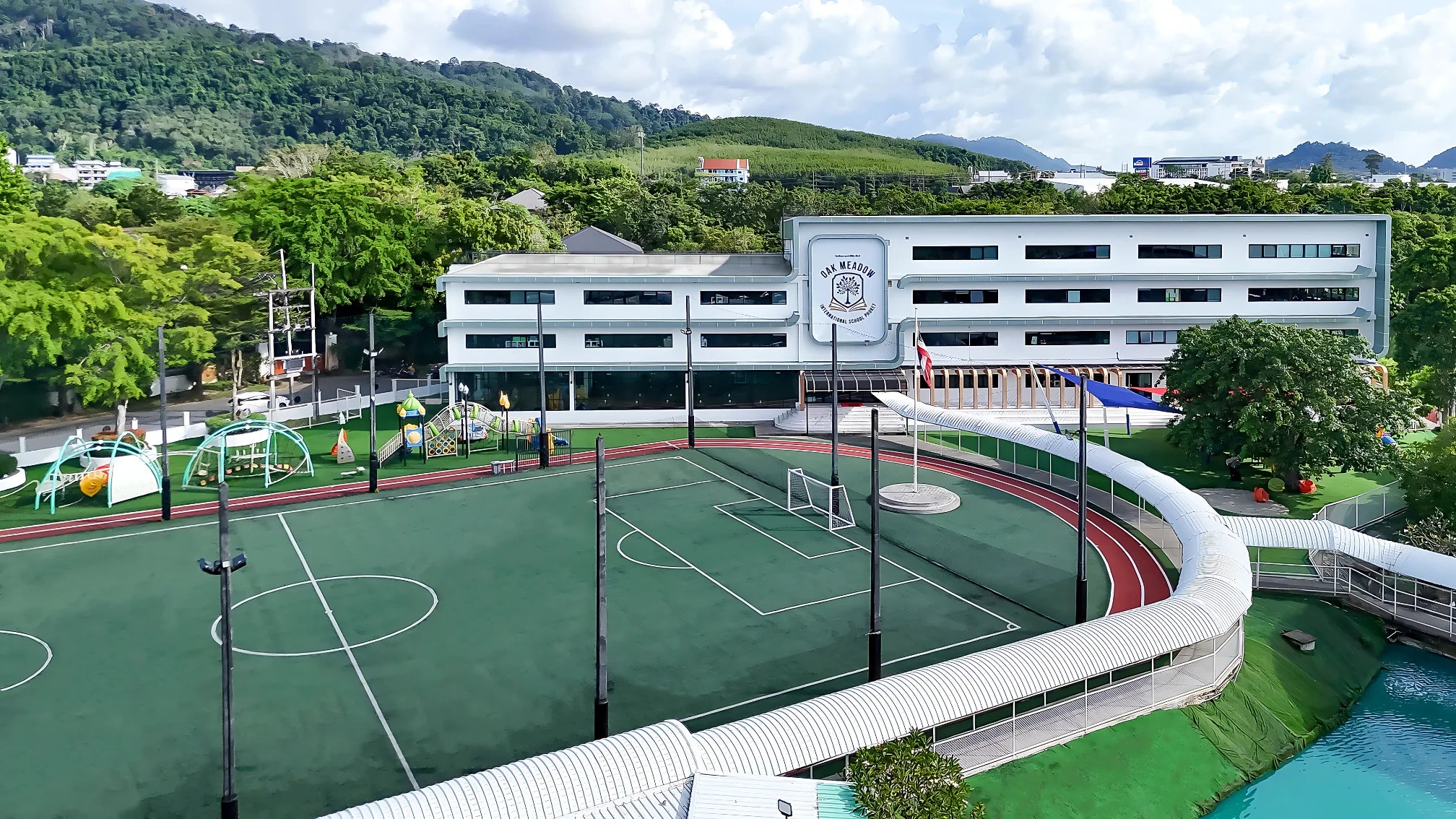
How do student-to-teacher ratios impact academic outcomes?
Statistical analysis constantly links lower student-to-teacher ratios with higher academic achievement. Top-tier academic features in the region maintain an average rate of 12:1. This full allows teachers to provide extremely individualized instruction, which data reveals increases scholar awareness costs by around 30% in comparison to overcrowded classrooms. Furthermore, smaller type measurements correlate clearly with increased scholar proposal and decrease behavioral disruption prices, fostering a very productive understanding environment.
What percentage of the syllabus is dedicated to STEM and language arts?
A modern academic strategy needs a heavy emphasis on future-proof skills. Curriculum knowledge reveals that approximately 30% of educational time is specialized in STEM (Science, Technology, Engineering, and Mathematics) subjects. Language arts, including bilingual or trilingual integration, take into account another 25% of the academic week. Around 80% of those institutions mandate the analysis of an additional language, many commonly Mandarin or Thai, reflecting the region's demographic and economic ties. That statistical breakdown guarantees a balanced education that prepares students for very competitive world wide markets.
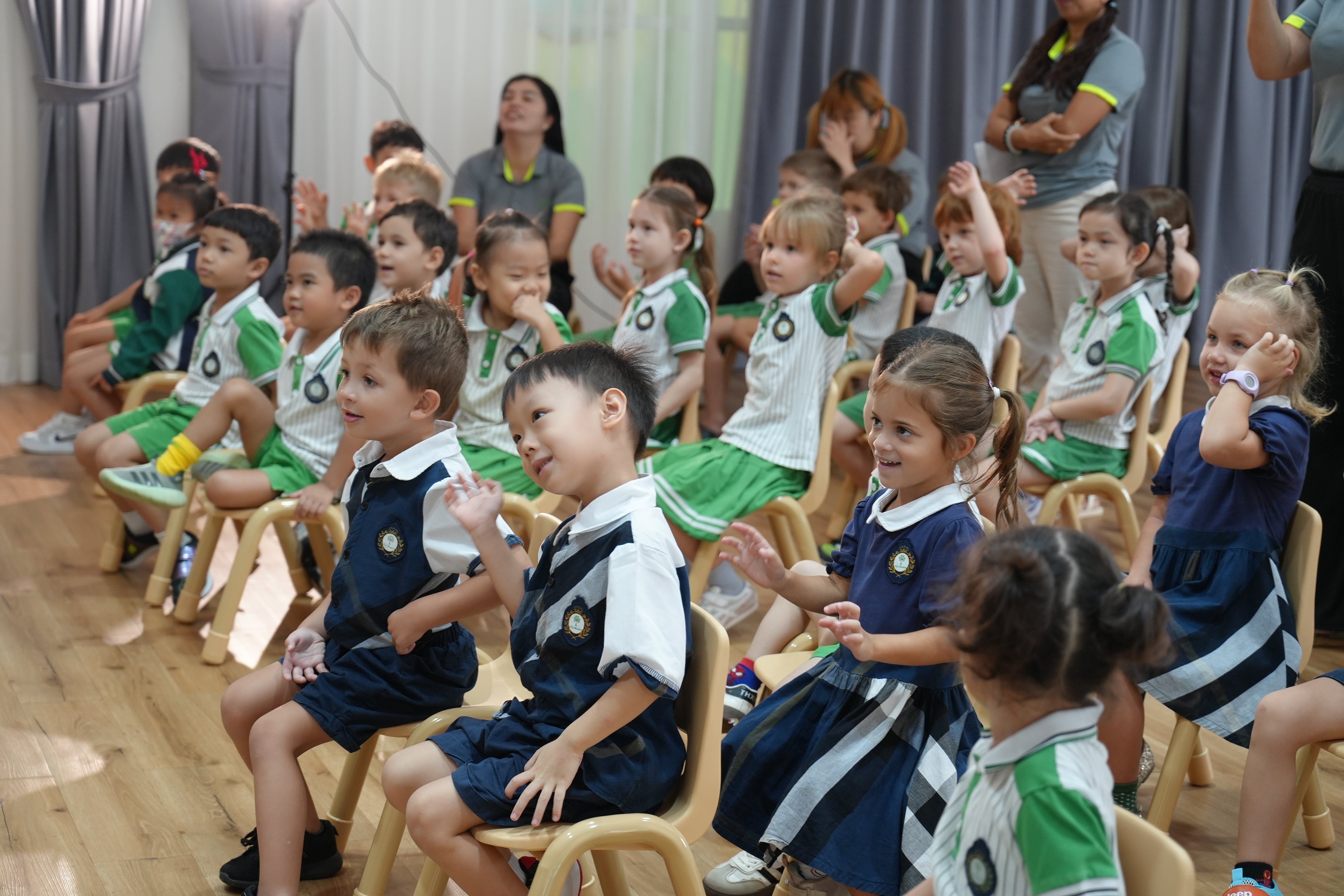
How do extracurricular activities factor into the overall educational metrics?
Extracurricular engagement is heavily followed as a full of holistic scholar development. Statistics show that over 85% of pupils participate in at the least two organized extracurricular applications each week, which range from competitive athletics to robotics clubs. Academic experts have noted a strong good correlation between that high involvement rate and raised Grade Point Averages (GPAs). Students employed in these programs display a fifteen minutes larger charge of self-reported time-management proficiency.
What are the measurable university progression rates?
The best metric for almost any academic curriculum is its achievement in larger knowledge placement. Recent knowledge shows that 95% of graduating seniors from these organized applications secure place in higher training institutions globally. Of these graduates, around 40% gain entrance to top-100 world wide universities, particularly in the United Kingdom, the United States, and Australia. These figures validate the rigorous academic frameworks applied throughout the curriculum.